𝐂𝐒𝐀 𝐁𝐔𝐊𝐀𝐍 𝐏𝐄𝐑𝐊𝐀𝐑𝐀 𝐁𝐀𝐇𝐀𝐑𝐔, 𝐑𝐀𝐊𝐘𝐀𝐓 𝐌𝐄𝐒𝐓𝐈 𝐉𝐀𝐃𝐈 𝐏𝐄𝐌𝐄𝐍𝐀𝐍𝐆 𝐓𝐄𝐑𝐁𝐄𝐒𝐀𝐑
Perjanjian Keyakinan dan Perbekalan (CSA) 𝐛𝐮𝐤𝐚𝐧𝐥𝐚𝐡 𝐬𝐞𝐬𝐮ð��...
Ketahui Lebih Lanjut

The recent remarks by PAS President Tan Sri Abdul Hadi Awang, invoking the term “Dajjal” in his criticism of the Confidence and Supply Agreement (CSA), expose a troubling contradiction in our political discourse.
It is easy to condemn others in the name of religion. The greater test, however, is whether we are prepared to uphold those same principles when they challenge our own political interests.
Justice cannot depend on whom we support, just as truth cannot depend on whom we oppose.
When religious language is used to pass judgement on political opponents, we must ask whether the same moral standards are applied consistently, particularly when confronted with corruption, abuse of power and the betrayal of public trust.
Malaysia has witnessed the consequences of such failures through the SRC International and 1MDB scandals. The conviction of former Prime Minister Datuk Seri Najib Razak in the SRC International case remains a stark reminder that public office is an amanah, a trust that must never be placed above accountability and the rule of law.
Similarly, concerns surrounding the governance of Lembaga Tabung Haji, an institution entrusted with the savings and aspirations of Malaysian Muslims, demand transparency, accountability and due process, not selective political outrage.
Tan Sri Abdul Hadi Awang must recognise that invoking the moral authority of religion to condemn political opponents also demands the same moral clarity when confronting corruption and the betrayal of public trust, regardless of who is involved.
We cannot demand accountability from our opponents while remaining conveniently silent when the same principles are tested among our own political allies.
This is precisely where Maqasid Syariah, the higher objectives of Islamic law, must guide our judgement. The protection of wealth, the preservation of justice and the pursuit of public welfare are not principles to be invoked selectively. They transcend political loyalties and narrow interests.
Political disagreements, including those surrounding the CSA, are legitimate matters for democratic debate. But reducing them to religious labels risks turning matters of principle into instruments of political convenience.
Malaysia deserves a political culture where religion inspires integrity rather than division, where accountability is demanded without fear or favour, and where the interests of the people come before political expediency.
Religion must never become a convenient shield for political allies or a weapon against political opponents. Justice demands consistency, not convenience.
This is a responsibility that the Quran itself reminds us of in Surah Al-Baqarah, verse 42:
وَلَا تَلۡبِسُواْ ٱلۡحَقَّ بِٱلۡبَٰطِلِ وَتَكۡتُمُواْ ٱلۡحَقَّ وَأَنتُمۡ تَعۡلَمُونَ
“And do not mix the truth with falsehood or conceal the truth while you know it.”
(Surah Al-Baqarah, verse 42)
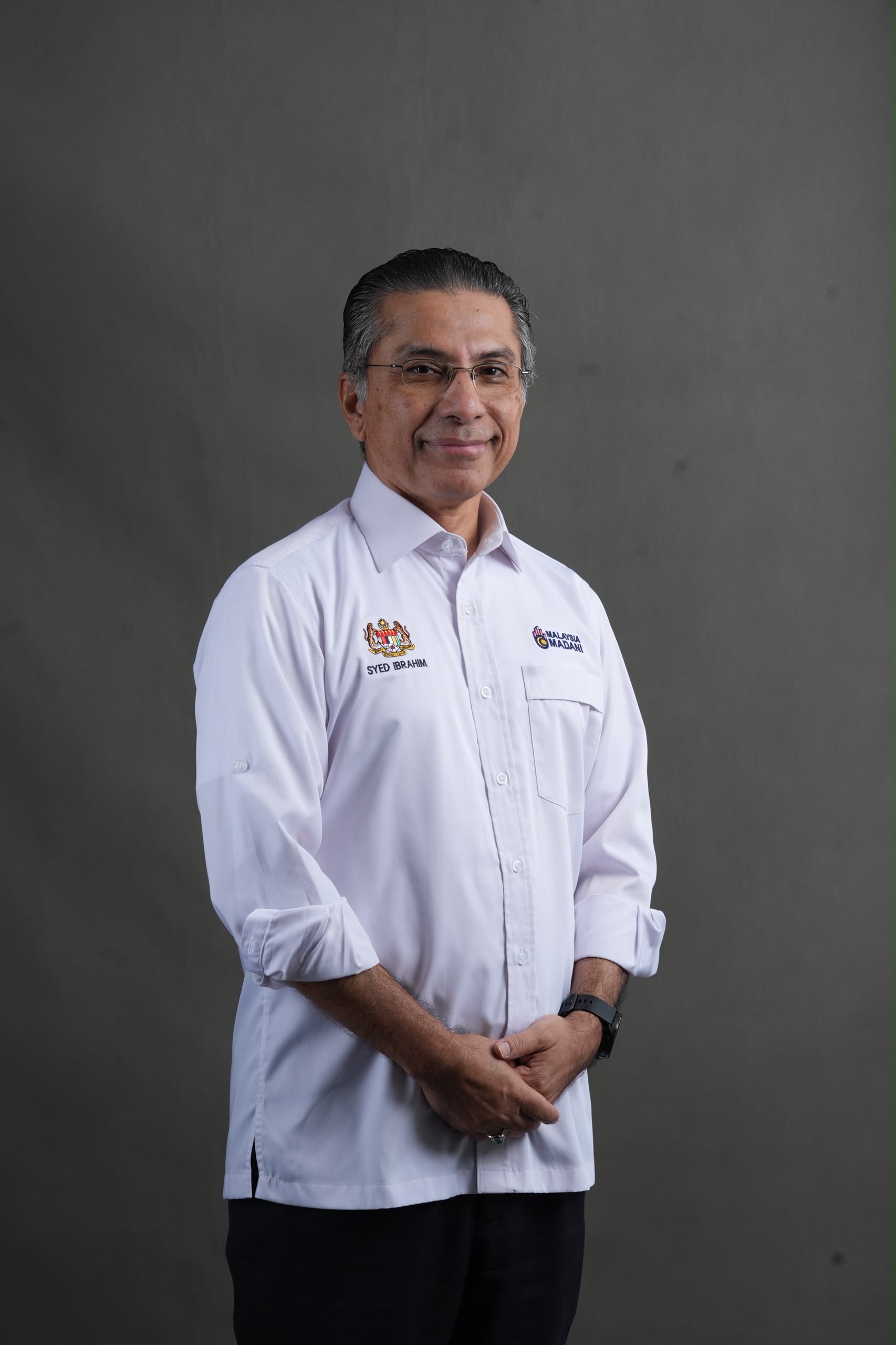
4 NOVEMBER 2026
YB TUAN SYED IBRAHIM SYED NOH
CENTRAL LEADERSHIP COUNCIL MEMBER
HEAD OF VOLUNTEER BUREAU
DEPUTY MINISTER OF NATURAL RESOURCES AND ENVIRONMENTAL SUSTAINABILITY (NRES)
MEMBER OF PARLIAMENT FOR LEDANG